Green Building Cape Cod: 7 Smart, Proven Upgrades
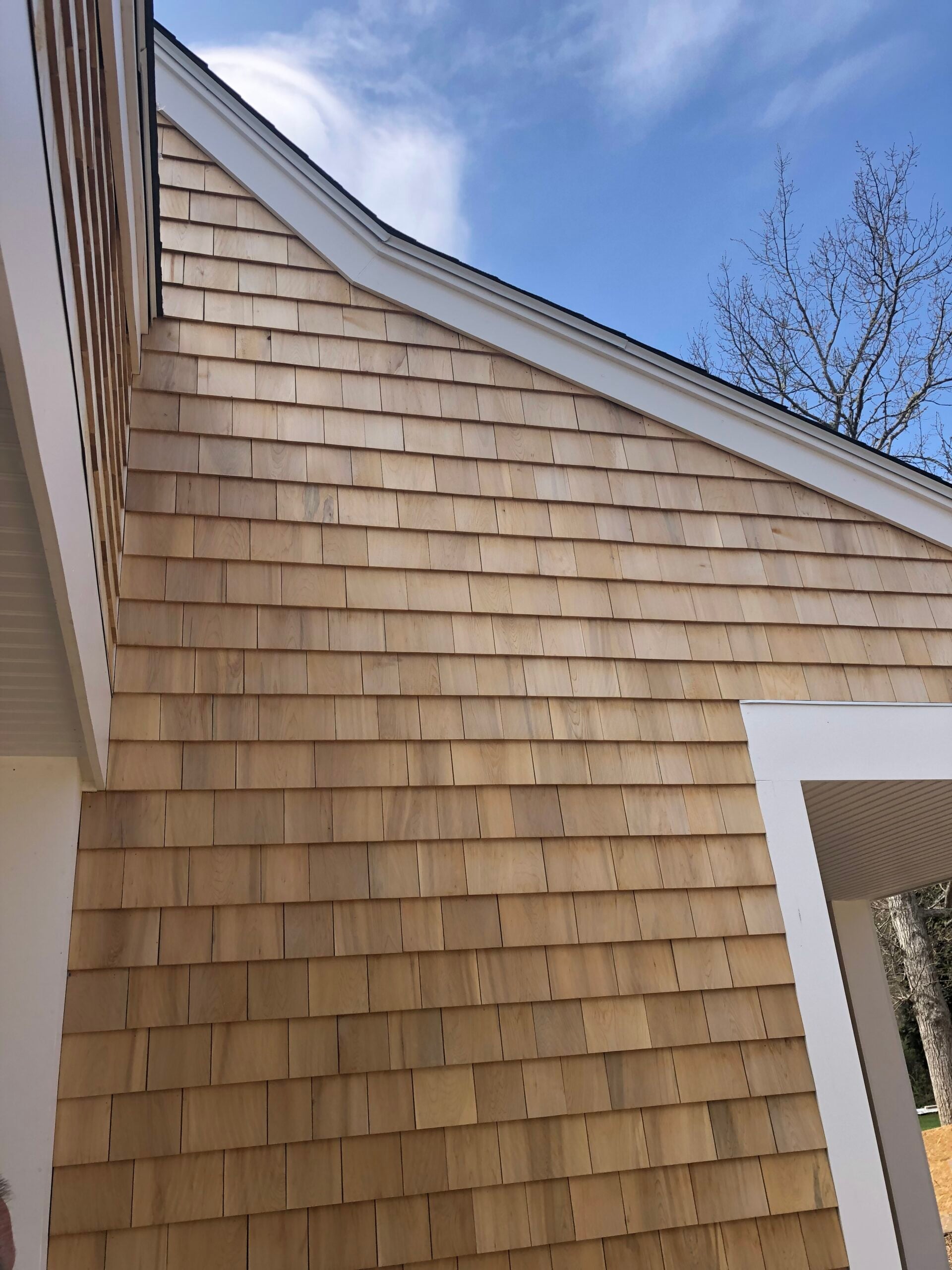
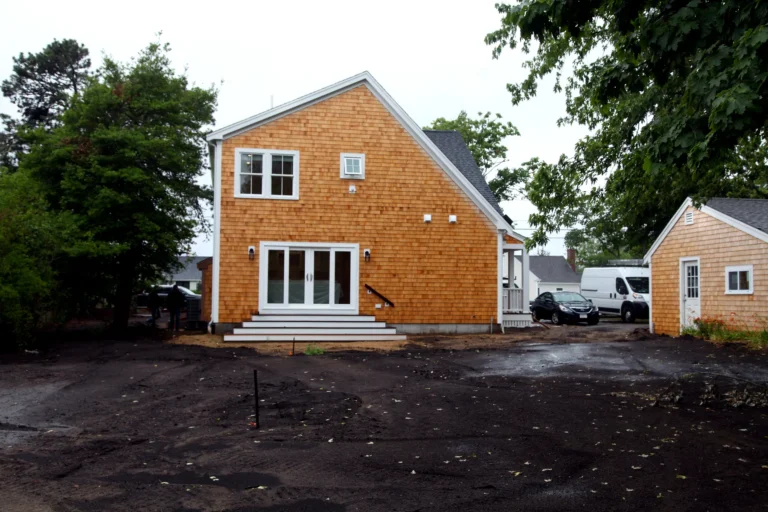
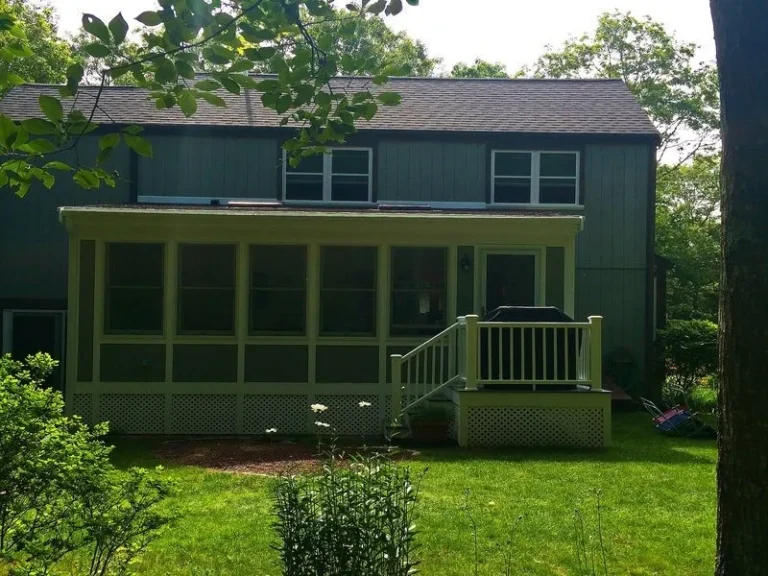
Green building Cape Cod projects tend to go wrong in the same way: the owner buys the visible things first. Solar panels, a heat pump, a high-efficiency water heater — all bolted onto a house that leaks air like a basket. The equipment then spends its life compensating for an envelope nobody fixed.
The order matters more than the budget. Here are seven upgrades ranked the way a builder would sequence them, with the reasoning for why each sits where it does.
In this guide
- Why the order beats the budget
- The 7 upgrades, in sequence
- What is different about green building Cape Cod houses
- Where to start on an existing house
Why the order beats the budget
Every dollar spent on the envelope reduces the equipment the house needs. Do the envelope first and the heating system you specify afterwards can be smaller and cheaper. Do it in the other order and you have paid for capacity you then make unnecessary.
This is the reason “insulate before you electrify” is close to universal advice among people who build rather than sell equipment. It is also why the least photogenic items on this list come first.
The 7 upgrades, in sequence
1. Air sealing
Cheapest, least visible, largest proportional effect. Sealing the top plates, rim joists, penetrations, and the transitions around sloped ceilings addresses the leaks that actually move air, which are rarely the ones you can feel from inside.
On an older Cape this one item does more for winter comfort than any equipment you could buy. It is measured rather than guessed — see our blower door testing guide for how the number is produced and what it means.
2. Insulation, especially the sloped ceilings
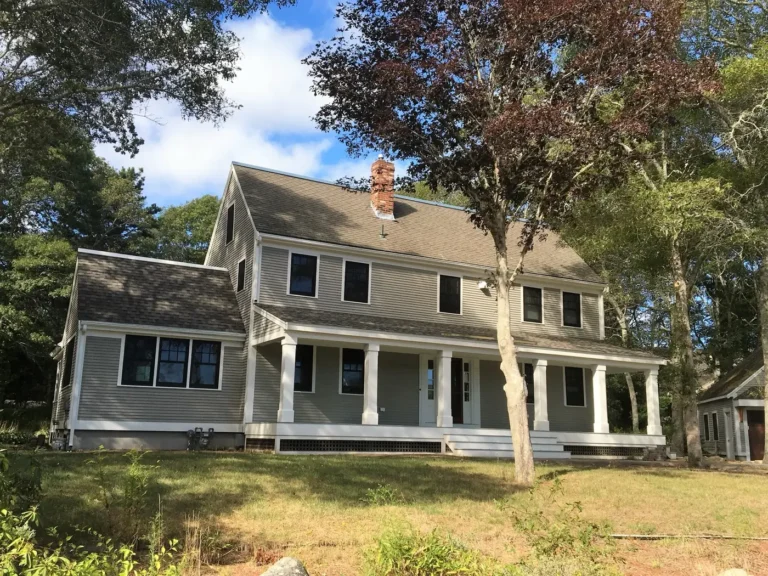
In a Cape the weak point is predictable: the sloped ceiling between the knee wall and the ridge, where there is little room for depth and often little insulation at all. Attic flats and basement rim joists are the other two.
If walls are already open for other work, dense-packing them is dramatically cheaper than it will ever be again. This is the item most worth accelerating to coincide with a renovation you were doing anyway.
3. Windows — but later than you think
Windows are the upgrade people want to do first and should usually do third. They are expensive per unit of energy saved, and in an older Cape the air leaking around the frames often matters more than the glass itself.
When you do replace them, match the historic light pattern and proportions. Undivided glass on the street elevation is the fastest way to make a Cape look wrong, and in a historic district it will not pass review.
4. Ventilation, once the house is tight
This is the step that gets skipped and should not be. A house that leaked its way to adequate air exchange will not do that once you have sealed it, and the result is moisture and stale air rather than savings.
Balanced mechanical ventilation with heat recovery solves it, and on a coastal house with high humidity it does real work beyond the energy question. Tight-plus-ventilated is the goal. Tight alone is a problem.
5. Heat pumps, sized after the envelope
Cold-climate air-source heat pumps work through a Cape winter and handle cooling in the same equipment, which matters more each summer. They also pair well with the moderate maritime climate here — the Cape rarely sees the sustained deep cold that challenges them inland.
Size them against the improved envelope, not the old one. An oversized system short-cycles, dehumidifies poorly, and costs more to buy.
6. Heat pump water heating
Straightforward, well-proven, and often the simplest single equipment swap available. It wants a reasonably sized space with some ambient heat to draw from — a basement or utility room usually qualifies. In a flood zone, remember the elevation requirement applies to this equipment too.
7. Solar, last and deliberately
Last not because it is unimportant, but because an array sized for an efficient house is smaller and cheaper than one sized for a leaky one. Doing the envelope first can meaningfully reduce the system you need.
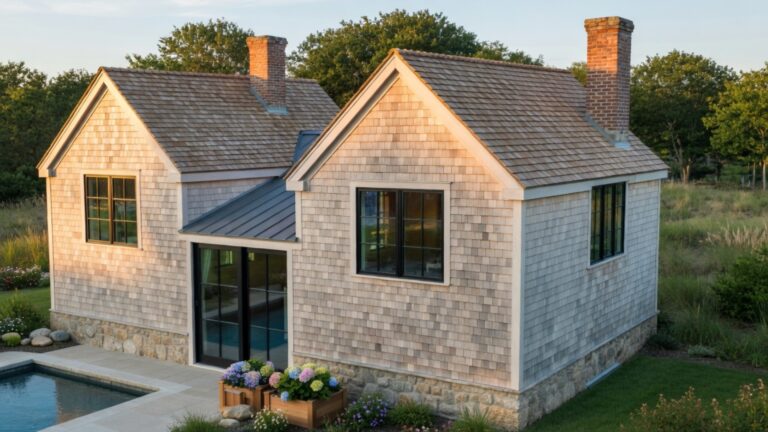
Two Cape-specific notes: a steep south-facing gable is genuinely good solar geometry, and in a historic district roof-mounted panels visible from a public way may face review. Ask before you design around them.
What is different about green building Cape Cod houses
Four regional conditions change the calculus:
- Salt air is hard on equipment. Exterior units near the shore need corrosion-resistant specification and honest maintenance expectations.
- Humidity is the year-round problem. Managing moisture is often worth more here than shaving heating degree days.
- Seasonal occupancy changes the math. A house empty five months a year has a different payback profile than a primary residence, and the right answer for one is frequently wrong for the other.
- The energy code has been tightening. Massachusetts operates a base code and a stretch code, and which applies depends on your town — the current framework is published under Massachusetts Building Energy Codes. Confirm what your town has adopted rather than assuming.
Where to start on an existing house
Start with measurement, not purchase. A blower door test and an assessment of where the insulation actually is will tell you which of the seven items above is worth money in your particular house — and it is frequently not the one you expected.
Then bundle. The marginal cost of doing envelope work while walls are already open for a kitchen or a bathroom is a fraction of doing it as a standalone project later.
Custom Crafted Homes has worked on Cape houses since 1974 — second-generation builders, third generation here — across all 15 Cape Cod towns, including Falmouth and the Upper Cape. If you want a straight answer about which upgrades will pay in your house rather than in general, that is a conversation worth having before you buy equipment. See our custom home building work, call (508) 619-7909, or get in touch. We respond within one business day.
Custom Crafted Homes is a family-owned custom home builder and remodeling contractor based in Dennis, MA, serving all 15 Cape Cod towns since 1974. Fully licensed and insured — MA Construction Supervisor License #CS-074943, Home Improvement Contractor Registration #169552.