Winterizing Your Cape Cod Home: 9 Best Essential Jobs
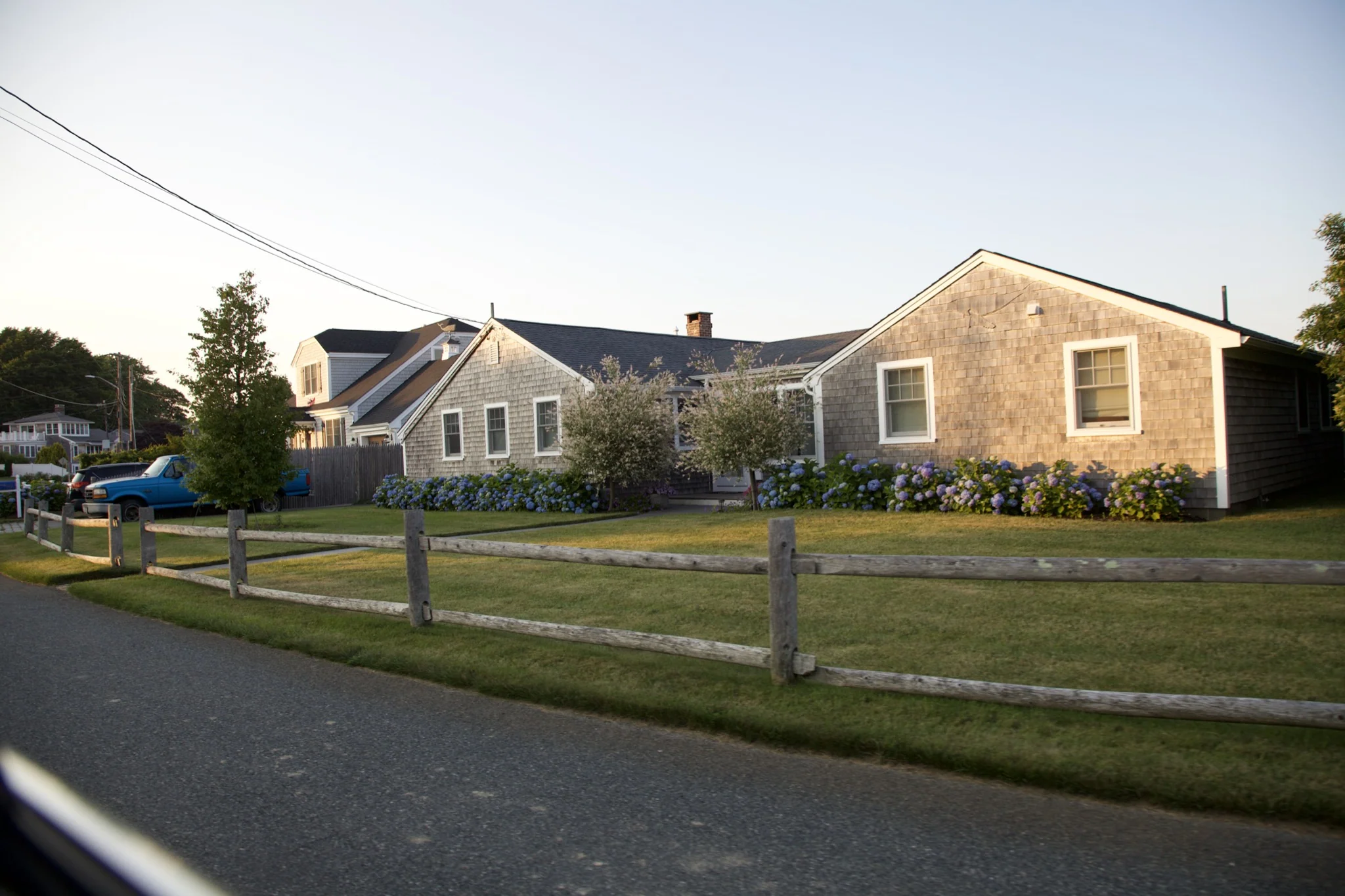
Winterizing your Cape Cod home is a different job depending on one question: are you here in February, or is the house empty from November to May? A lived-in house has someone to notice a problem. An empty one does not, and that changes which of these jobs actually matter.
Nine jobs, grouped by when they have to be done rather than by system, because the deadline is the useful sort.
In this guide
- Winterizing your Cape Cod home: before the first freeze
- Before you lock the door for the season
- While the house sits empty
- The two failures that ruin a winter
Winterizing your Cape Cod home: before the first hard freeze
1. Drain and shut the exterior water
Outdoor showers, hose bibs, irrigation. On the Cape the outdoor shower is the classic casualty — it is used until late September, forgotten in October, and splits in the first cold snap.
Shut the interior valve, open the exterior fitting, and let it drain properly. Frost-free bibs still fail if a hose is left connected, which is the most common version of this mistake.
2. Clear the gutters, then check where the water goes
Oak and pine drop late here, so gutters cleared in early October fill again. Do it after the leaves are down, not before.
Then follow the downspouts. Water discharging at the foundation is how basements get wet and how ice forms where people walk. Extensions are cheap.
3. Service the heating system now, not in January
Every heating contractor on the Cape is fully booked the first genuinely cold week. A system serviced in October gets an appointment; one that dies in January joins a queue.
For an empty house this is not maintenance, it is insurance — the heating system is the only thing standing between your plumbing and a burst pipe.
Before you lock the door for the season
4. Decide: heat it, or drain it
The central decision for a second home, and half-measures are what cause damage.
Heated: hold around 55 degrees, leave interior doors open so warmth reaches exterior walls, and open the cabinets under sinks on outside walls. Drained: water off at the main, system drained, traps and toilets treated with antifreeze, water heater drained. Done properly, draining is the more robust option — nothing can freeze if nothing is in the pipes.
What fails is the middle: heat set low, system not drained, and one power cut.
5. Deal with the humidity, not just the temperature
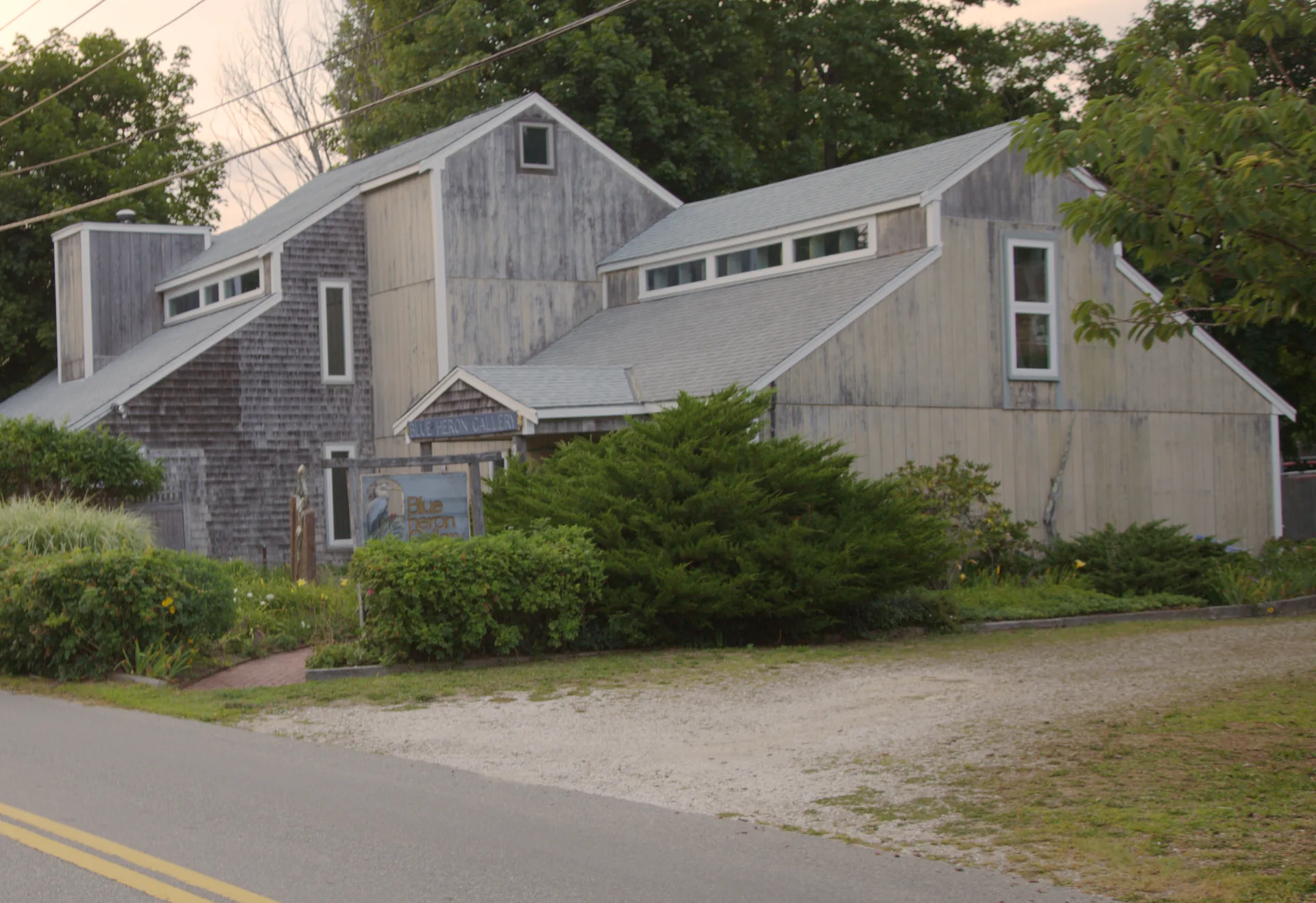
A closed coastal house grows mould over a damp winter even when nothing freezes. A dehumidifier on a permanent drain, or a system set to run periodically, prevents an expensive spring.
This is the item most often skipped and it causes more actual damage than cold does.
6. Secure everything the wind can move
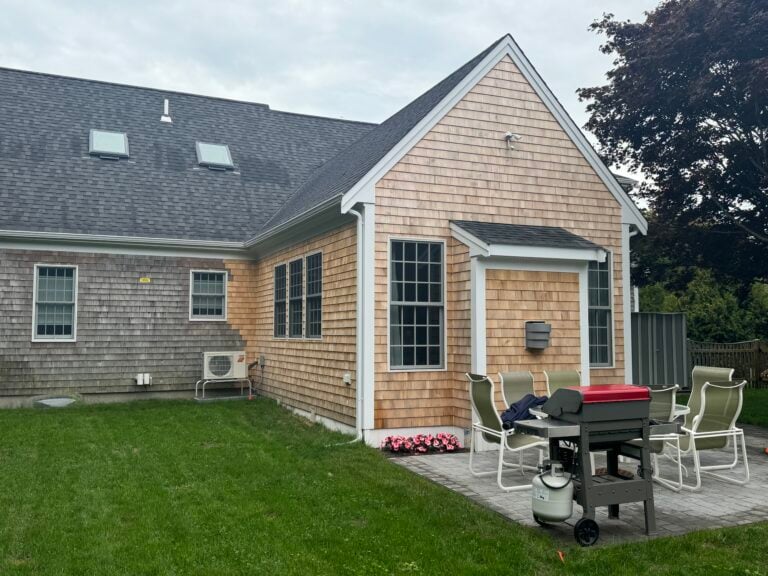
Furniture, umbrellas, grills, planters, anything on a deck. A nor’easter turns loose objects into projectiles aimed at your own windows, and a broken window in an empty house in January is not a glass problem — it is a burst-pipe problem three days later.
While the house sits empty
7. Put monitoring in, and make sure it alerts someone nearby
Temperature sensors, a water-leak sensor at the water heater and under sinks, and a power-outage alert. Cheap, and the entire value is early warning.
Critical detail: it must alert someone who can reach the house. An alert on a phone four hundred miles away, at two in the morning, with nobody local to call, is a notification rather than a rescue.
8. Arrange real eyes on the house
Somebody walking the property after every significant storm, checking inside as well as out. Sensors tell you a number. A person notices the shingle that has lifted, the ice dam forming, the branch resting on the roof.
This is most of what second-home property management actually is, and why owners who have it rarely go back to not having it.
9. Leave the information somewhere useful
Where the water main shuts off. Where the electrical panel is. Which contractor you use. Whether the system is drained or heated. Written down, at the house, so whoever arrives in an emergency is not phoning you from the basement.
The two failures that ruin a winter
A burst pipe in an empty house. Water runs for days or weeks. It is the most expensive thing that happens to Cape houses and almost every case traces to the same half-measure — heat left low, plumbing not drained, power lost.
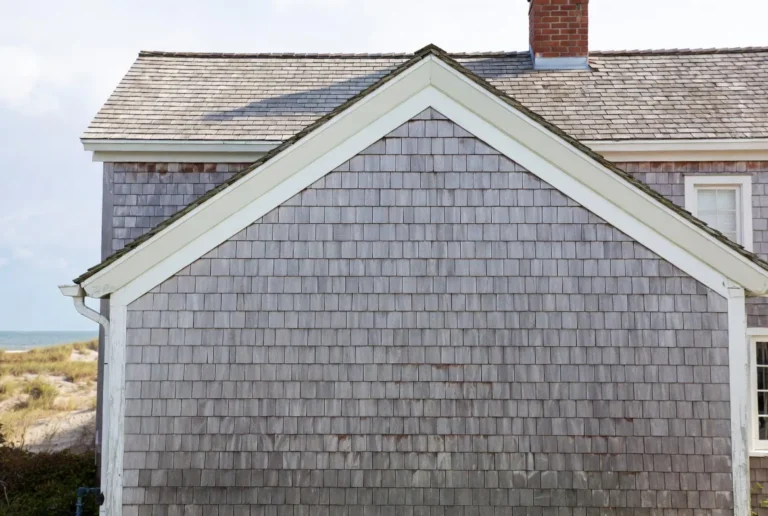
Ice dams. Heat escaping into the roof melts snow, the water refreezes at the cold eave, and the dam pushes water back up under the shingles and into the ceiling. The visible fix is raking the roof. The actual fix is air sealing and insulation, which is a summer job — see our blower door guide for how the leakage gets found, and Mass Save for what assistance exists.
Custom Crafted Homes has closed up and looked after Cape houses since 1974 — second-generation builders, third generation here — across all 15 Cape Cod towns, Dennis Port included. If your house sits empty and nobody local has eyes on it, that is worth fixing before December. See our property management service, call (508) 619-7909, or get in touch. We respond within one business day.
Custom Crafted Homes is a family-owned custom home builder and remodeling contractor based in Dennis, MA, serving all 15 Cape Cod towns since 1974. Fully licensed and insured — MA Construction Supervisor License #CS-074943, Home Improvement Contractor Registration #169552.