Fall Renovation Cape Cod: 5 Proven Steps for September
August on the Cape feels like the wrong time to think about renovation. The house is full, summer isn’t over, and nobody wants to sit down with a contractor while there are still good beach days left. But here’s how the fall renovation Cape Cod calendar actually works: if you want a finished kitchen, a new bathroom, or a finished basement by next spring, the clock starts in September — not in October when the guests have gone, and not in November when you think things slow down.
This is not a pitch. It’s a realistic look at why the building calendar works the way it does on Cape Cod, and the five concrete steps a homeowner should take in September to avoid a scramble.
In this guide
- Why the fall renovation Cape Cod window opens in September
- The realistic timeline: design → permit → build
- Which interior projects fit winter work
- Why good contractors fill up in fall
- The 5 smart steps to take in September
- The honest version of “when does this start”
Why the fall renovation Cape Cod window opens in September
The Cape has a compressed building cycle that most homeowners don’t fully understand until they’ve lived through a project.
During summer, everyone is busy — clients, contractors, subcontractors. Scheduling is loose, budgets are uncertain, and nobody wants to rip out a kitchen in July with a house full of family. That’s fair.
Then Labor Day passes. The summer crowd goes home. And within a few weeks, every contractor worth hiring is fielding calls from people who spent August deciding they were finally going to do something about the kitchen. The window to lock in a good team for winter or spring work is genuinely narrow, and it opens in September.
On the other side of the year, November through March is ideal for interior work — kitchens, bathrooms, basements. The trades aren’t fighting summer schedules, inspectors have more availability, and material lead times run shorter. A project that takes eight weeks in June can often run cleaner in January. The problem is getting there — and getting there requires starting now.
The realistic timeline: design → permit → build
The biggest mistake homeowners make is treating the contractor conversation as the start of the clock. It isn’t. That conversation kicks off a four-to-six-month sequence before anyone swings a hammer.
Weeks 1–4: Design and scope definition. Before anyone can price a project, the scope has to be clear — what’s moving, what’s staying, what finishes go in. If the layout changes, our in-house designer works through cabinet placement, appliance locations, and traffic flow with you. This step takes longer than people expect, because decisions that look simple (where does the island go?) have real structural and plumbing consequences.
Weeks 4–8: Pricing and contract. With the design direction set, the contractor builds a real number — a line-item estimate based on actual scope, with allowances for finishes not yet selected. Expect a follow-up or two as selections get nailed down.
Weeks 8–14: Permitting. On Cape Cod, permits take time — building, electrical, and plumbing filings with the local building department. In towns like Dennis, Barnstable, Yarmouth, Chatham, and Orleans, turnaround varies by season and scope. Some projects also trigger conservation review, a Title 5 septic assessment, or historic-district sign-off. Assuming permitting is a one-week checkbox is a reliable way to blow a schedule.
Weeks 12–16+: Material lead times. Custom cabinetry runs eight to twelve weeks from order to delivery; specialty tile, windows, and fixtures can run similarly. These orders go in during permitting — not after the permit is in hand and you’re standing in an empty kitchen.
Put it together: a project that breaks ground in January or February requires a September-or-October start on planning. A March start needs the conversation to happen now.
Which interior projects fit winter work
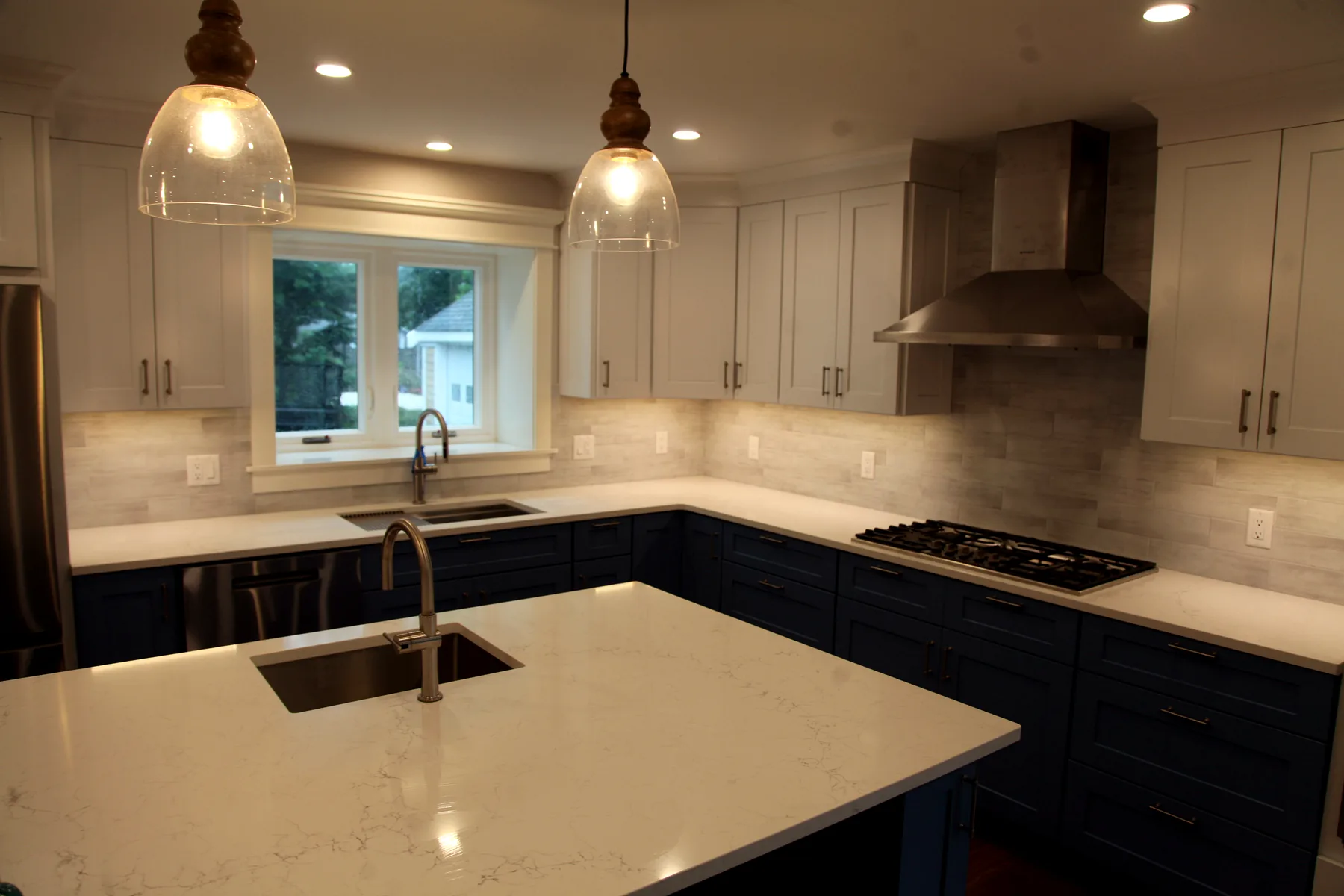
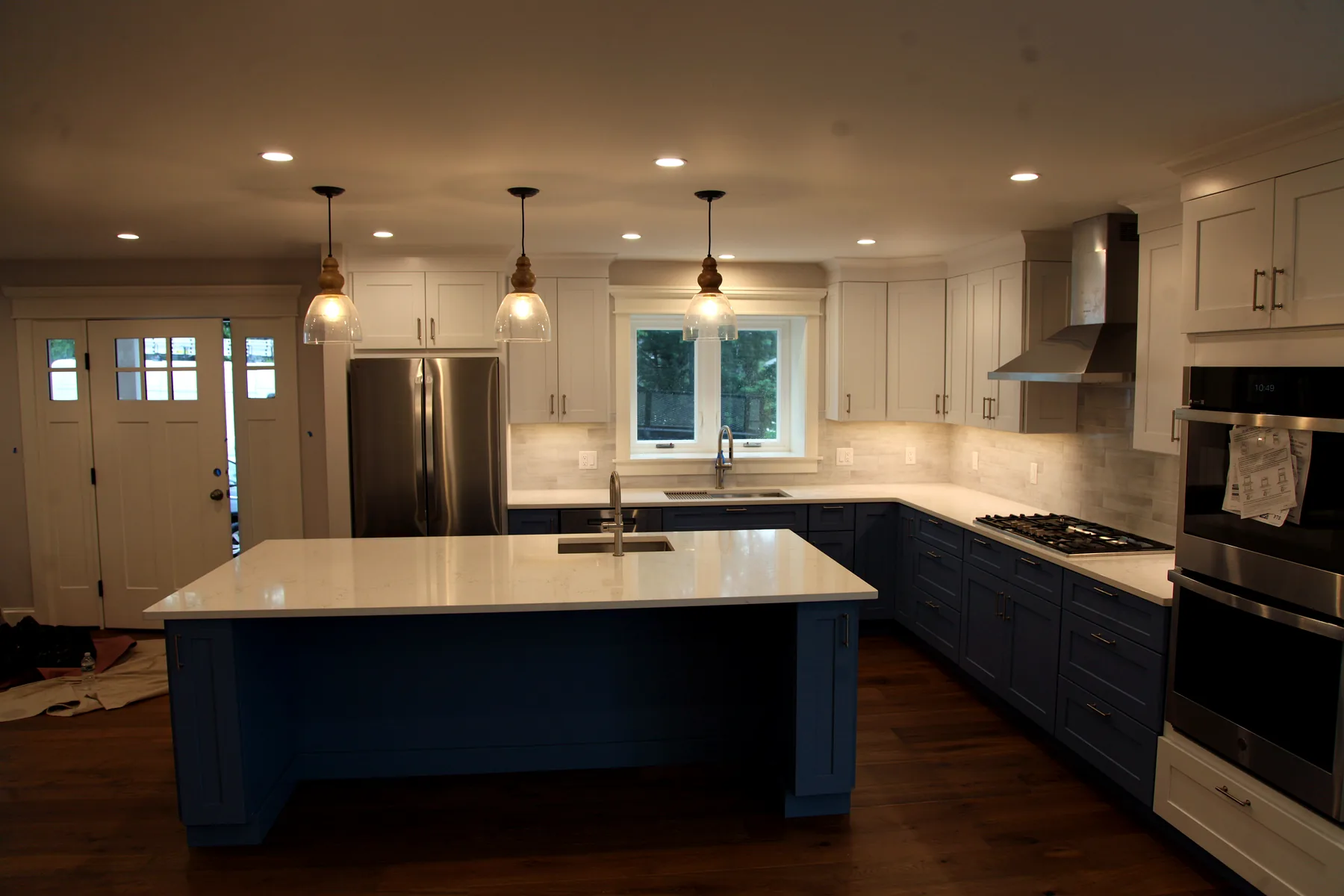
Kitchen remodels. A kitchen gut takes the room offline for the duration — far easier to manage when the house isn’t full of guests. Winter kitchen work runs cleaner, and the disruption is easier to absorb when the house is quiet. (Budget context: what a kitchen remodel costs on Cape Cod in 2026.)
Bathroom renovations. Tile, fixtures, vanities, shower rebuilds — none of it depends on weather. For second-home owners it’s the ideal off-season project: the work happens while you’re away, and you come back to a finished room.
Basement remodels. Framing, insulation, drywall, and electrical happen underground, independent of temperature. If the house has moisture or drainage issues, those get addressed first — see our four-layer basement waterproofing approach — and the time to assess that is fall, not December.
For whole-home interior renovations or anything with significant structural scope, the lead time is longer and the case for a September start is stronger still.
Why good contractors fill up in fall
This is the part that surprises people who haven’t renovated on the Cape before. The contractors with strong track records and reliable crews don’t have open slots idling in October — their winter schedules fill in September, sometimes earlier.
It’s not artificial scarcity; it’s math. A residential general contractor running two or three projects at a time has a limited number of calendar slots per year. Renovation work isn’t like hiring a painter who can start Tuesday — structural and mechanical trades need coordination, lead time, and sequencing. When the slots are gone, they’re gone until the next season.
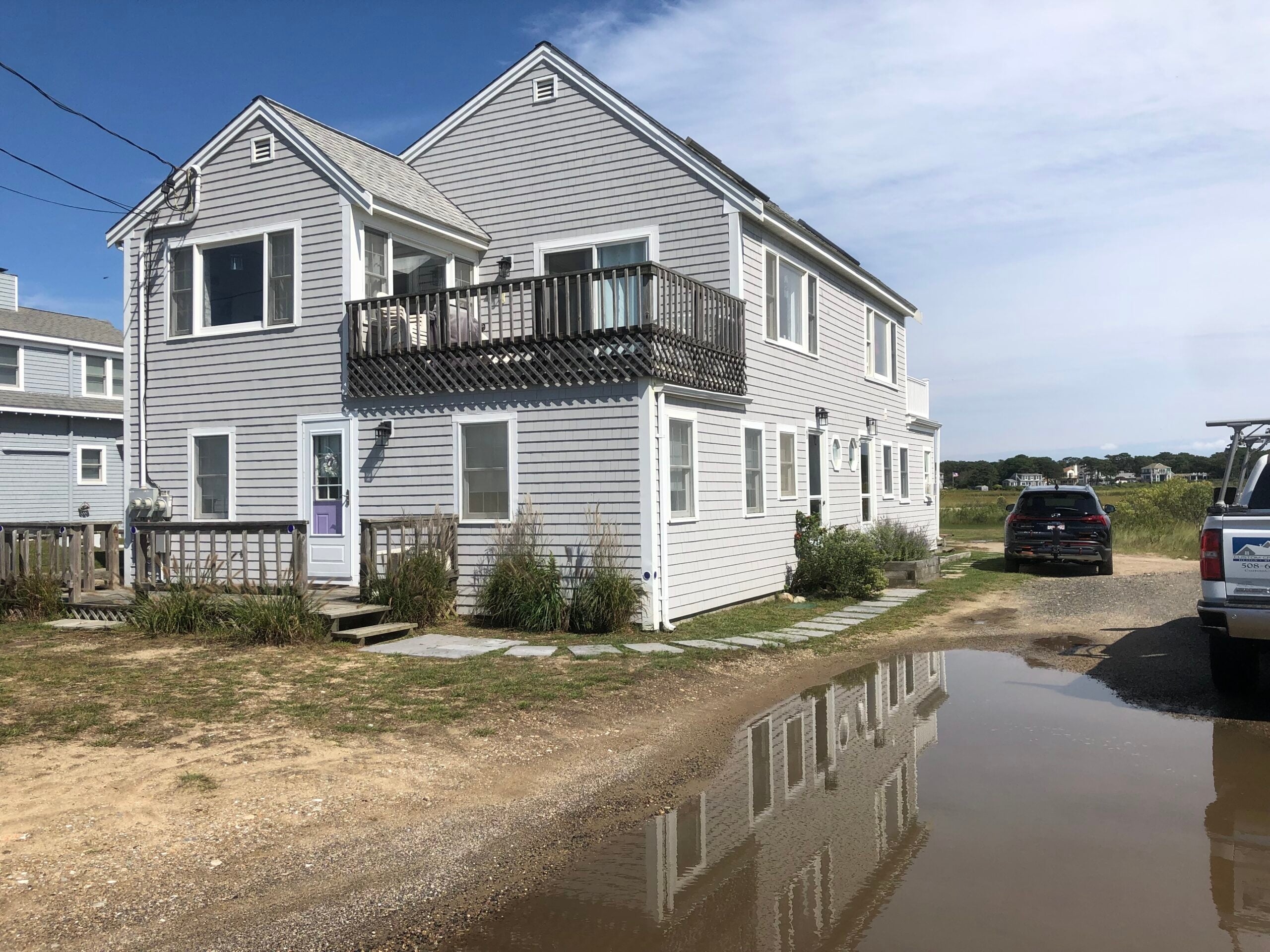
For our work in Dennis, Yarmouth, Harwich, Brewster, Falmouth, Chatham, and across all 15 Cape Cod towns, we plan the winter schedule in September. That’s when our calendar conversations happen.
The 5 smart steps to take in September
- Get clarity on scope. Know whether you’re thinking “minor update” or “gut renovation” before you call — different conversations, different timelines, different budgets. Not sure? A site visit helps, but walk in with your honest sense of the scope.
- Gather your references. Images of kitchens you like, layouts that solve your flow problem, the finish style you’re drawn to. This shortens the design phase and shows the contractor what you’re building toward.
- Know your general budget range. A $60,000 kitchen and a $160,000 kitchen are different projects. A good contractor will tell you what’s achievable at your number — but only if you’re honest about it.
- Ask the right questions. How are you currently booked? What’s your lead time from contract to groundbreaking? Do you handle permitting? Who manages the subs? The answers tell you how a contractor actually operates.
- Don’t wait for the perfect moment. September is the moment. October works too, but the best winter slots go in September — every week of fall delay costs a week on the back end.
For timeline and process questions, the FAQ covers the common ones. For anything that needs a real answer about your specific house, the right call is a site visit.
The honest version of “when does this start”
Most homeowners picture an April start: weather turning, house feeling fresh, finally the right time. On Cape Cod, an April start means the planning conversation happened in November or December. For a complex kitchen or a whole-home interior renovation, it means September or October.
The homeowners who get the spring they want are the ones who start in fall. The ones who wait until January find out the calendar doesn’t flex just because they’re finally ready.
We do general contracting across Cape Cod — kitchens, bathrooms, basements, and the larger interior renovations that need a builder managing the full scope from design through final inspection. Thinking about a fall renovation on Cape Cod and want an honest read on what’s realistic? Call (508) 619-7909 or send us a message — we respond within one business day.
Custom Crafted Homes is a family-owned custom home builder and remodeling contractor based in Dennis, MA, serving all 15 Cape Cod towns since 1974. Fully licensed and insured — MA Construction Supervisor License #CS-074943, Home Improvement Contractor Registration #169552.